Visual Studio Vst Plugin
Recording artists and producers today use Virtual Studio Technology (VST) plugins to craft and customize their sounds. VST effect plugins and synthesizers emulate the sound - and often the visual interface - of their hardware counterparts in software. The result for modern producers is a studio full of high end signal processing and synthesis all inside the computer (or “in the box”, to use industry lingo), and at a fraction of the cost. The vast selection of plugins available - both paid and free - give artists and producers nearly limitless sonic possibilities.
What are VST Plugins?
VST plugins include effects (e.g. reverb, chorus, distortion), virtual instruments (e.g. emulations of trumpets, guitars, and drums), and synthesizers that can be inserted - or “plugged in” - into Digital Audio Workstations (DAWs), which act as hosts for said plugins. Steinberg, Apple, Ableton, Image-Line, and Pre-Sonus are amongst some of the more notable manufacturers of DAWs. When hosted within a DAW, VST plugins can be used as sound generating instruments, or as effects to process audio.
To clear up a misconception, VST itself is a plugin format - that is, it is one of several types of software connectors used between a plugin and its host. Other formats include Audio Units (abbreviated as AU), Real Time Audio Suite (ARTAS), FL, and DirectX (DX). These days, however, VST and “plugin” have become for the most part interchangeable.
The History of VST Plugins
- VST Instruments are more than emulations of hardware or real-world instruments; they can also be immense landscapes of their own unique forms of sound and tonal exploration. They can push boundaries of synthesis, harness the power of powerful processors and visualize the parameters and controls in ways not plausible in hardware.
- Visual Studio Technology (VST), on the other hand, is a plug-in software that adds several effects in an audio recording and editing tool. It provides a variety of functionalities including virtual instrument sounds. However, VST enabler is no longer required for Audacity’s latest version.
Visual studio add plugin project reference.
In 1996, the first true VST was released. Steinberg offered three plugins with its Cubase software: reverb, chorus and stereo echoer. Using these plugins allowed producers and artists to create unique sounds during the mixing process.
In 2008, Steinberg released the first full standalone VST instrument. (Steinberg had released several standalone products prior to this, but the 2008 version was the first to offer full functionality). This standalone VST device offered multiple MIDI inputs and outputs and audio inputs for VST instruments. More recent changes in 2011 allowed for note articulation, which gives users the ability to change the sound of individual notes and make the instrumentation sound more natural. Although standalone VST instruments are very popular, many VST plugins are still run from within a DAW.
In Pursuit Of The Best Free EQ Plugins. Equalization needs little introduction for anyone that is interested in sound. You can think of equalization as the scalpel of the sound world; it’s a staple of the audio engineer’s toolbox for good reason as nothing else is so readily capable of altering the tone quality of audio with such precision. A robust pedalboard simulator, Guitar Rig 5 player is one of the best free VST plugins that comes packed with a Shoegazer’s dream effects: heavy reverb, delay, phaser, chorus, flanger, you name it. This tutorial will walk you through the process of installing and configuring the tools you’ll need to build your own VST plugins with Visual Studio. Free download plugin vst key fl studio Files at Software Informer. DarkWave Studio is a free Digital Audio Workstation (DAW) / modular virtual music studio for Windows. You can easily use the built.
Types of Plugins
There are countless VST plugins out there, but most fall into two primary categories: instruments and sound effects. Dune 2 vst free sounds.
VST instruments simulate the sound of instruments commonly used in music - e.g. a drum machines VST creates drum sounds, a piano VST emulates the sound of an acoustic piano, and a synthesizer VST can sound like a vintage Roland TB-303.
VST effects also provide digital sound effects and can be used to add reverb, distortion, stereo width, and other effects to music during the mixing process.
How close these software emulations come to the original remains a hotly debated topic; some argue the warmth of analogue hardware is impossible to emulate digitally, while others praise the VST plugin revolution for allowing them a cost-effective way to amass a complete collection of synths and effects within the confines of their laptop.
Example Uses
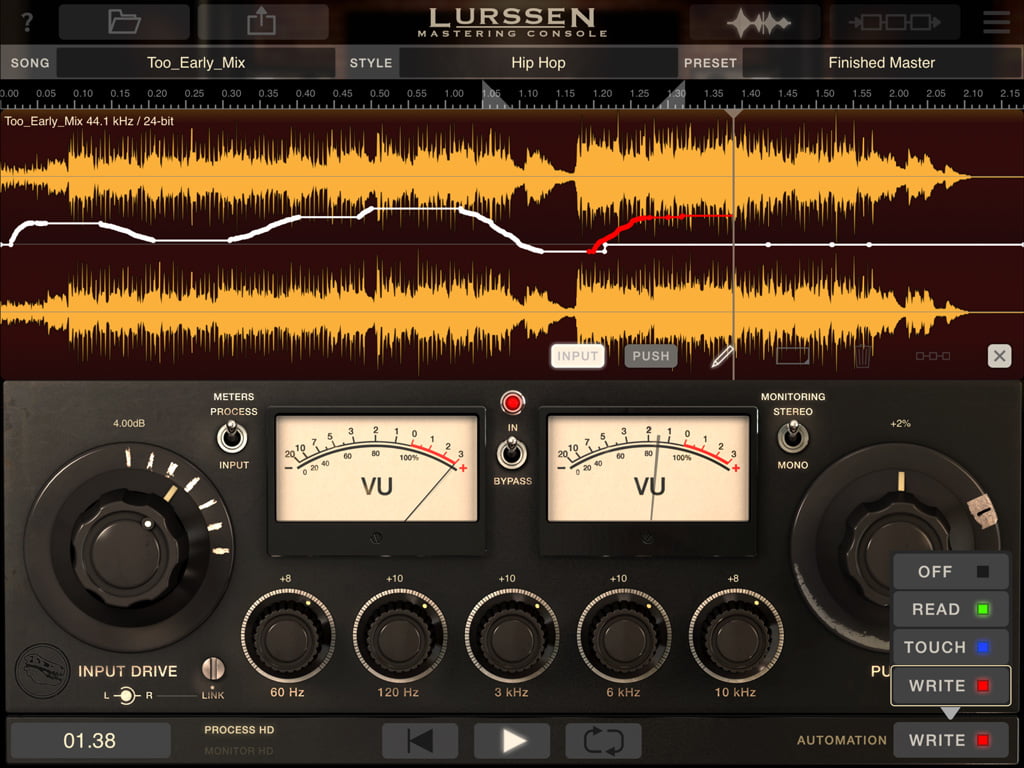
Visual Studio Vsts Plugin
VST plugins (both effects, instruments, and other utilities) can be used throughout the music production process.
Visual Studio Vst Plugins
- An artist can use a VST instrument plugin for a recreation of acoustic instruments such as drums, piano, string instruments, and even human voices. A category of plugin instruments known as samplers are often best suited for this, as they rely on recordings (or “samples”).
- One of the most popular categories of VSTs are software synthesizer plugins. From pricey, CPU-hogging behemoths to freely available “one-trick ponies”, a software synth exists for just about any application. VST software synths are often recreations of historically significant and/or vintage hardware synths, such as Roland drum machines (TR-808, TR-909), or the OSCar by Oxford Synthesizer Company. Producers and artists can opt for the plugin versions of these, rather than hunting down the hardware originals.
- While racks of effects processors used to be a requirement of even modest home studios, a software VST exists for any effect imaginable. Some of the more ubiquitous VST effect categories available to artists are equalizers (EQs), reverb, delay, and distortion.